How to Promote Inclusivity in City-Based Events
Inclusivity in city-based events is not just a trendy concept; it’s a necessity for creating vibrant, engaging communities. This article explores effective strategies to foster inclusivity in events, ensuring all community members feel welcome and valued.
Understanding the Importance of Inclusivity
Promoting inclusivity in events is essential for fostering a sense of belonging among diverse groups. According to research by the University of Dublin, events that prioritize inclusivity can lead to increased engagement and participation rates. This is especially relevant in urban settings where cultural diversity is often at its peak.
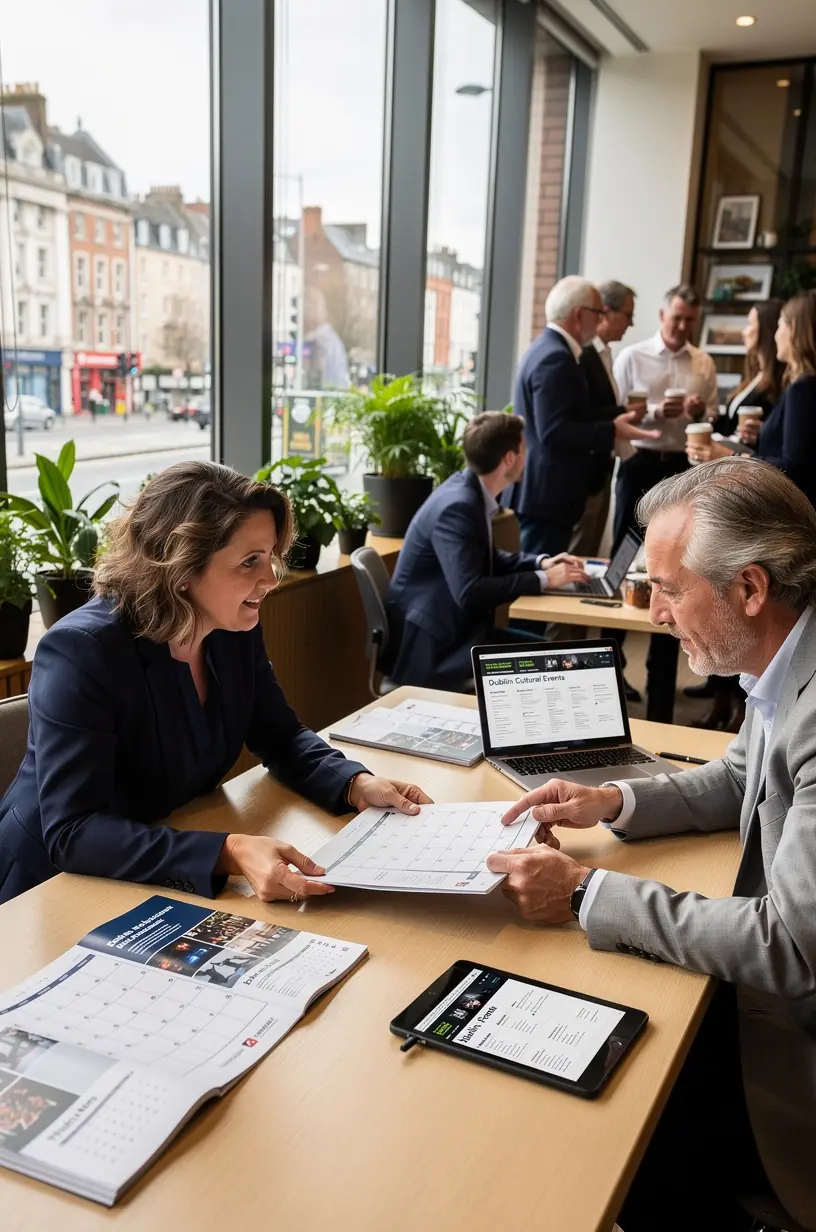
"Inclusivity in events not only enhances community interaction but also drives economic benefits, as more attendees translate to higher local spending."
Key Strategies for Inclusive Events
To effectively promote inclusivity, consider the following strategies:
- Diverse Planning Committees: Involve individuals from various backgrounds in the planning process. Research indicates that diverse teams often lead to more innovative and inclusive outcomes, as they bring different perspectives to the table.
- Accessible Venues: Choose venues that are physically accessible to individuals with disabilities. According to the National Disability Authority of Ireland, over 13% of the Irish population lives with a disability, highlighting the necessity for accessible locations.
- Inclusive Programming: Offer a variety of activities that cater to different interests and cultural backgrounds. Studies show that events with diverse programming can attract a broader audience and foster a sense of community.
- Language Considerations: Provide materials in multiple languages, especially in cities with significant immigrant populations. Experts recommend offering translation services or multi-lingual signage to enhance understanding and participation.
Creating a Welcoming Atmosphere
Beyond logistical considerations, the atmosphere of an event plays a crucial role in inclusivity. Here are some steps to help create a welcoming environment:
- Utilize Inclusive Language: Ensure that promotional materials and announcements use language that is welcoming and respectful to all groups.
- Offer Training for Staff and Volunteers: Training programs that emphasize the importance of inclusivity can equip staff and volunteers with the skills needed to effectively engage all attendees.
- Encourage Feedback: Actively seek feedback from participants about their experiences. This approach not only demonstrates a commitment to improvement but can also provide valuable insights for future events.
Measuring Success in Inclusivity
Evaluating the success of inclusivity efforts is crucial. Metrics to consider include:
- Attendance rates among diverse groups,
- Participant satisfaction surveys,
- Feedback regarding accessibility and overall experience.
Using these metrics can help event organizers refine their approaches and identify areas for improvement, fostering a culture of continuous enhancement.
Conclusion
Promoting inclusivity in city-based events requires a thoughtful and proactive approach. By implementing diverse planning teams, ensuring accessibility, and creating welcoming atmospheres, event organizers can engage a wider audience and enhance community interactions. While this may take time and effort, the benefits of fostering inclusivity—such as increased participation and building stronger community ties—are well worth the investment. In most cases, an inclusive event environment leads to richer experiences for everyone involved.