Exploring Cultural Themes in Urban Nightlife Experiences
Urban nightlife is a vibrant tapestry woven with cultural threads that shape the social fabric of cities. Understanding these cultural themes can enhance the experience of nightlife for both residents and visitors. This article explores how these themes manifest in urban environments, what they signify, and how they can be appreciated in a deeper sense.
Understanding Cultural Themes in Nightlife
In the realm of urban nightlife, cultural themes often reflect the demographics, history, and social dynamics of a city. According to sociological studies, nightlife is not merely about entertainment; it serves as a platform for cultural expression and community building. Experts in urban sociology highlight that cultural themes can include local music genres, culinary practices, and even the architecture of nightlife venues.
"Nightlife is a reflection of the cultural identity of a city, showcasing its unique history and social dynamics."
The Role of Community in Shaping Nightlife
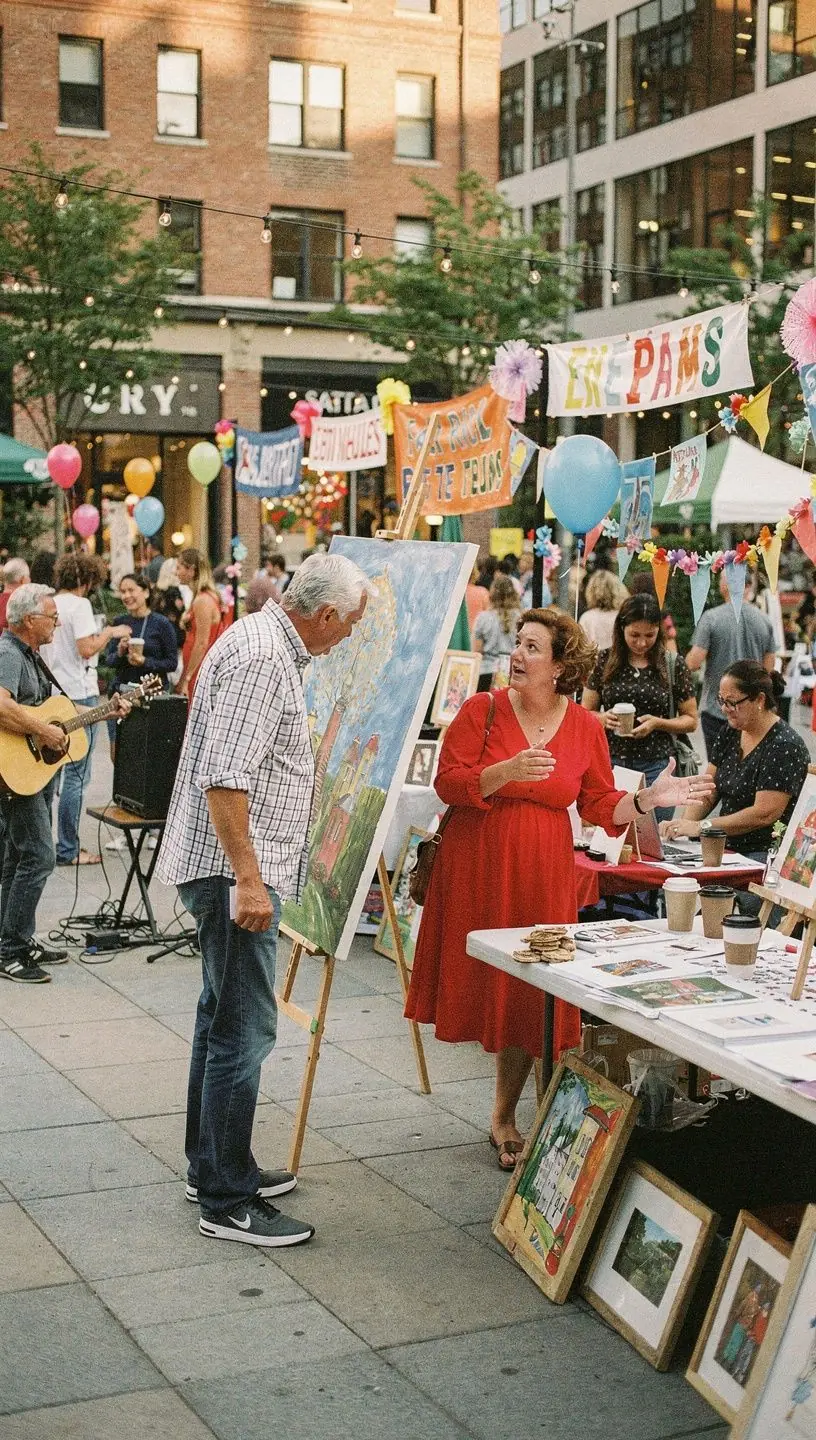
The community plays a pivotal role in shaping urban nightlife. Research indicates that when residents engage in local nightlife, they often seek out experiences that resonate with their cultural values and interests. This involvement can manifest in various forms, such as themed nights that celebrate local traditions or music festivals that highlight regional artists. In many cases, these events foster a sense of belonging among attendees.
- Inclusive Events: Events that cater to diverse cultural backgrounds often thrive, creating spaces where various communities can connect and celebrate shared experiences.
- Local Talent: Bringing local artists and musicians to the forefront not only supports the local economy but also enriches the cultural landscape of nightlife.
- Unique Experiences: Themed nights that draw from cultural history can attract audiences looking for authentic experiences, contributing to the city’s unique nightlife identity.
How to Appreciate Cultural Themes in Nightlife
For those looking to immerse themselves in the cultural aspects of urban nightlife, there are several practical steps to consider:
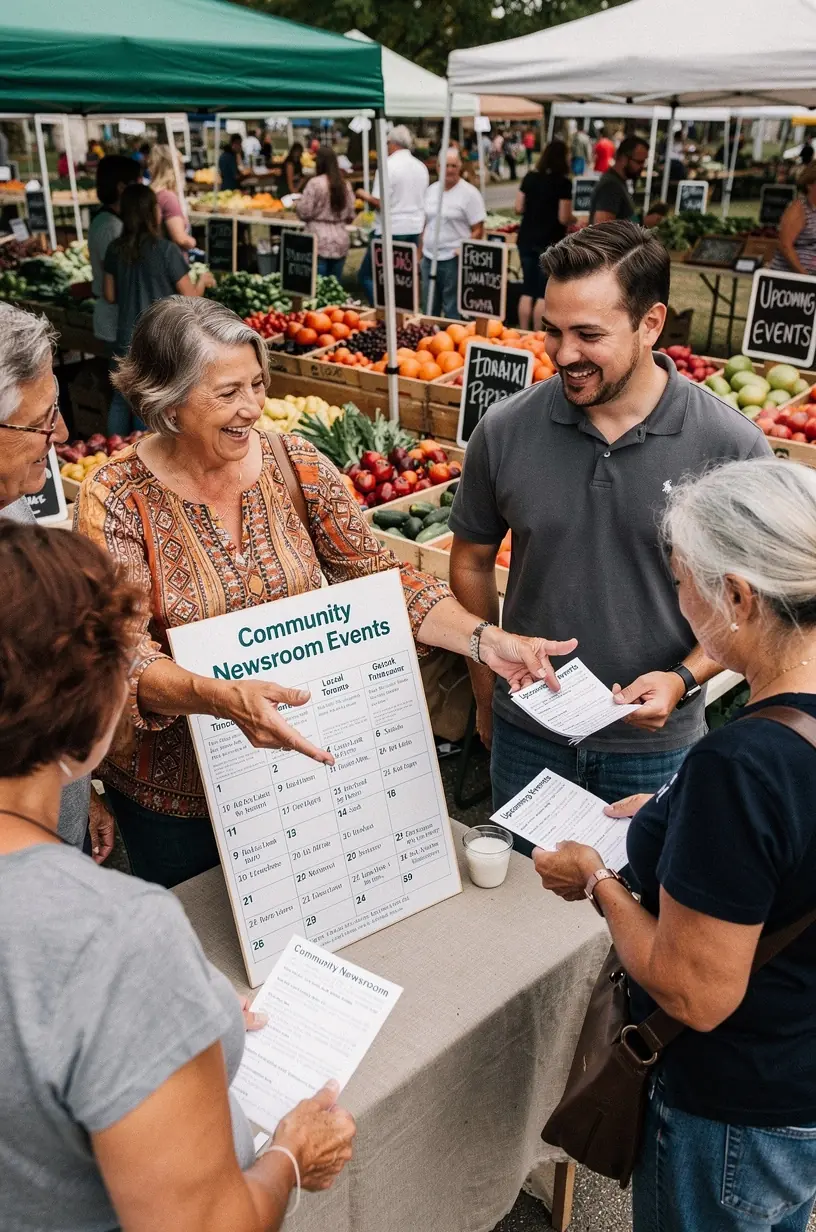
- Research Local Events: Many cities have curated calendars that highlight upcoming events. Engaging with these resources can provide insights into cultural themes being celebrated.
- Participate Actively: Attending themed nights or local festivals typically requires a commitment to engage with the community, which can enhance personal experiences.
- Explore Diverse Venues: Visiting a variety of nightlife venues allows for a broader understanding of the cultural narratives that different spaces promote.
Challenges and Considerations
While exploring cultural themes in nightlife can be enriching, there are also challenges to be aware of. Factors such as time commitment, availability of events, and personal preferences can influence one’s experience. It’s important to acknowledge that engaging with cultural nightlife may not always be feasible for everyone, as it often involves navigating social dynamics and potential language barriers.
Conclusion
Exploring cultural themes in urban nightlife offers not only entertainment but also deeper connections to a city's identity. By understanding the role of community and actively participating in local events, individuals can enrich their nightlife experiences. As urban areas continue to evolve, appreciating these cultural layers remains essential in creating vibrant, inclusive environments for all.
Learn More